

By Brianna Hansen
If you read our January article on positive reinforcement training, you may remember the basic idea: reward the behaviors you want to see more often. Instead of waiting for your pet to get something wrong, positive reinforcement helps create a clear understanding of when they get it right. And now, we take it to the next level … with clicker training! A simple way to make that message even clearer.
A clicker is precisely what it sounds like: a handheld tool that makes a consistent sound. The click itself isn’t the reward, but it marks the exact moment your pet does what you’re looking for. And since treats can take a second or two to deliver, the click bridges the gap and tells your pet, “Yes! That right there earned this delicious snack.”
Before teaching a new skill, you’ll need to help your pet understand what the sound means. Start somewhere quiet, click once, and offer a treat. Repeat this several times… click, treat; click, treat. You aren’t asking for any behavior yet. You’re building an association between the sound and something wonderful. This is called “charging” or “loading” the clicker.
Once your pet begins looking for a treat after hearing the click, you’re ready to practice. Start with a behavior they know, like sit. Ask for the sit, click the instant their rear touches the floor, then give the treat. Timing matters: click too early or too late, and you may accidentally mark standing, jumping, or popping back up instead.


A few ground rules will help. Always follow a click with a reward, even if you clicked by mistake. Click once for each successful behavior, and use better treats, not louder or repeated clicks, to celebrate an exceptional effort. Most importantly, don’t use the clicker to call your pet, interrupt unwanted behavior, or get their attention. It is a marker, not a remote.
Keep training sessions short, upbeat, and easy to win … just three to five minutes at a time does the trick. Beyond basics like sit and down, try clicking when your pet looks at you after hearing their name, touches their nose to your hand, steps onto a mat, enters a carrier, or calmly allows their paws or ears to be handled. The best part about this method? Clickers can work for dogs, cats, rabbits, and other animals, too!
Eventually, once a behavior is reliable, you can fade out the clicker while continuing to reward your pet in other ways. The goal isn’t lifelong clicking. It’s lifelong communication with a learner who feels confident, curious, and excited to work with you.
Looking for support on your training journey? Local shelters like Humane Animal Partners offer affordable one-on-one and small-group training for pets and their people!
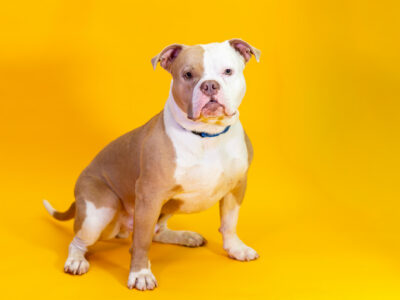
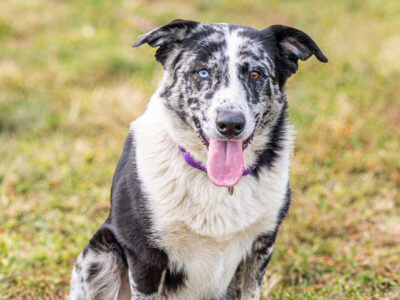
– Look for the this month’s Humane Animal Partners (HAP) sponsored by Tito’s Handmade Vodka featured adoptable pets in the print version of this month’s issue, linked here.