

By Brianna Hansen
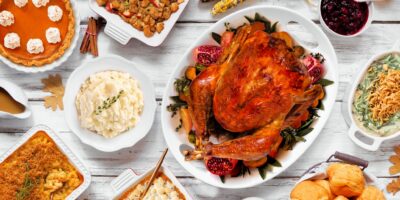
Holiday meals have a way of turning the most well-behaved pets into professional beggars — stationed beneath the dining table, ready to accept every dropped morsel. And while it’s fun to share the holiday magic, I encourage you to remember that our favorite foods are typically firmly off the menu for our pets.
Let’s start with the big no-nos. Chocolate, cocoa, coffee, tea, and energy drinks can cause serious problems, including abnormal heart rhythms and seizures. Alcohol is also dangerous, in drinks or desserts. Grapes, raisins, and Zante currants (dried grapes) can cause kidney injury, particularly in dogs, so watch for them in fruitcake, breads, and cookies.
Speaking of ingredients tucked into holiday favorites — onions, garlic, chives, leeks, and shallots can damage red blood cells in both dogs and cats. This includes powdered versions found in stuffing, gravy, casseroles, and seasoning mixes. Macadamia nuts can cause weakness, tremors, and overheating in dogs. And sugar-free gum, candy, baked goods, and even some nut butters may contain xylitol (also known as birch sugar), which can cause dangerous drops in blood sugar and liver damage in pups.
Of course, not everything on the naughty list is poisonous, but that doesn’t make it safe. Rich, fatty faves like turkey skin, gravy, bacon, butter, ham, and many nuts can upset their stomachs, and in some cases, even trigger pancreatitis. Dairy and salty foods can cause problems, too. Then there are the hazards that literally get stuck along the way. Cooked bones splinter, while corn cobs and fruit pits can cause choking or intestinal blockages. If you’re serving cherries, peaches, plums, or apricots, keep the pits, stems, and leaves well out of reach as they can release cyanide when chewed! And don’t forget that raw or undercooked meat and eggs can carry bacteria like Salmonella and E. coli.


Keep raw yeast dough away from curious noses as well. It expands in the stomach and produces alcohol as it ferments, creating a potentially life-threatening emergency. Moldy bread, cheese, nuts, and compost can harbor toxins that cause vomiting, tremors, and seizures, too.
A few simple habits can save a lot of worry: keep food and drinks out of reach, clear plates promptly, secure the trash, and ask guests not to slip table scraps to the pets. If you think your dog or cat has eaten something dangerous, contact your veterinarian or a pet poison control center right away. Don’t wait for symptoms. The ASPCA Animal Poison Control Center is available at (888) 426-4435.
The holidays should be full of good food, good company, and happy memories — not an unexpected trip to the emergency vet. Let’s keep the feast on our plates and the pets safely out of the leftovers.
– Look for the this month’s Humane Animal Partners (HAP) sponsored by Tito’s Handmade Vodka featured adoptable pets in the print version of this month’s issue, linked here.