

By Bob Yearick
Jocks . . . Ya Gotta Love ‘Em
Ex-athletes who pursue careers in the media often reveal a kind of love-hate relationship with language. They love the occasional “big” word, but sometimes they misuse it, as was the case recently with former NFL quarterback Boomer Esiason:
• On his TV show, Game Time with Boomer Esiason, the host interviewed Jim Murphy, author of Inner Excellence, the book that TV cameras discovered Eagles receiver A.J. Brown reading on the bench during the Birds’ January playoff win over Green Bay. Boomer asked Murphy how he managed the sudden fame created by that implicit endorsement, commenting that Murphy had previously been “an innocuous person.” I’m pretty sure Boomer meant “an anonymous person.”
And sometimes retired jocks are easily impressed by someone who shows just a slight facility with words.




• That was the case, according to reader Ben Yagoda, the author and former UD professor whose most recent book is Alias O. Henry, when Tom Brady called his booth partner, Kevin Burkhardt, a “Renaissance man” for using “fortuitous” (happening by a lucky chance). Burkhardt responded with a comment to the effect that he had studied his “vocabulary drills.”
Says Yagoda: “I mean, it’s okay, it’s out there, but hold the encomium.”
Over-correcting?
On a recent episode of All Creatures Great and Small, veterinarian James Herriot is about to treat an injured dog when he tells the owner, “Lie her on the table.” Ninety-nine percent of the time, lay is used where lie should be, but this is that rare instance where lay (to place) was called for.
Department of Redundancies Dept.
• According to reader Dale Pippert, the almost nightly opening line from CBS Evening News anchor Tony Dokoupil is, “Here is the breaking news right now.” Breaking would indicate that it’s occurring right now.
• Over on NBC10 Philadelphia, reporter Neil Fischer, in a piece on how to melt the accumulated ice of mid-February, advised us that “you have several alternative options.”
Media Watch
Let’s start with a couple of danglers:
• Sunday Today’s Willie Geist, reporting on Fiona the hippo, born prematurely at the Cincinnati Zoo: “Too small to stand or eat by herself, zookeepers documented her journey.” It’s Fiona who couldn’t stand, not her keepers.
• Stephanie Farr, a gifted feature writer at The Philadelphia Inquirer, also misplaced her modifier when she wrote this about a Delaware County strip club: “I’m not sure when I became aware of Lou Turk’s. As a nearly two-decade transplant, it’s the stuff of legends that’s always been here and I’ve always heard talked about, like Wawa or the Lower Swedish Cabin.” You’re the transplant, Steph, not Lou Turk’s. (Also, the usual term is the singular “stuff of legend.”)
In Other Media Matters:
• WDEL reported on crews repairing water main breaks thusly: “They are nearly done the job.” The omission of “with” in such constructions may be okay for middle-school students (“I’m done my homework, mom”), but not for professional media.
• Per reader Neil Kaye, WDEL also gave us this: “Wilmington police report 21 percent less shootings in 2025.” As “War on Words” readers know, plurals (shootings) require fewer.
• The New Yorker, quoting a post on X by former GOP Rep. Marjorie Taylor Greene: “No I’m not towing the party line on this (subsidies to the Affordable Care Act).” The expression is “toeing the line,” and – not to get too deep into the journalism weeds here – but normally a publication would insert “[sic]” after towing to indicate that the word is being reproduced as it originally appeared and the publication is aware that it’s incorrect. That the staid and impeccable New Yorker chose not to do so apparently means either a) proofreaders and editors missed the error, or b) they chose not to correct it because they assumed their learned audience would notice it, and they didn’t want to insult that audience’s intelligence. Given the number of pre-publication eyes on every piece in The New Yorker, my money’s on b.
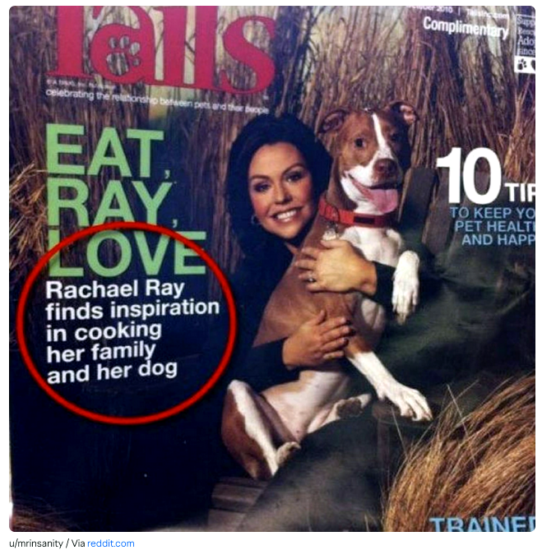
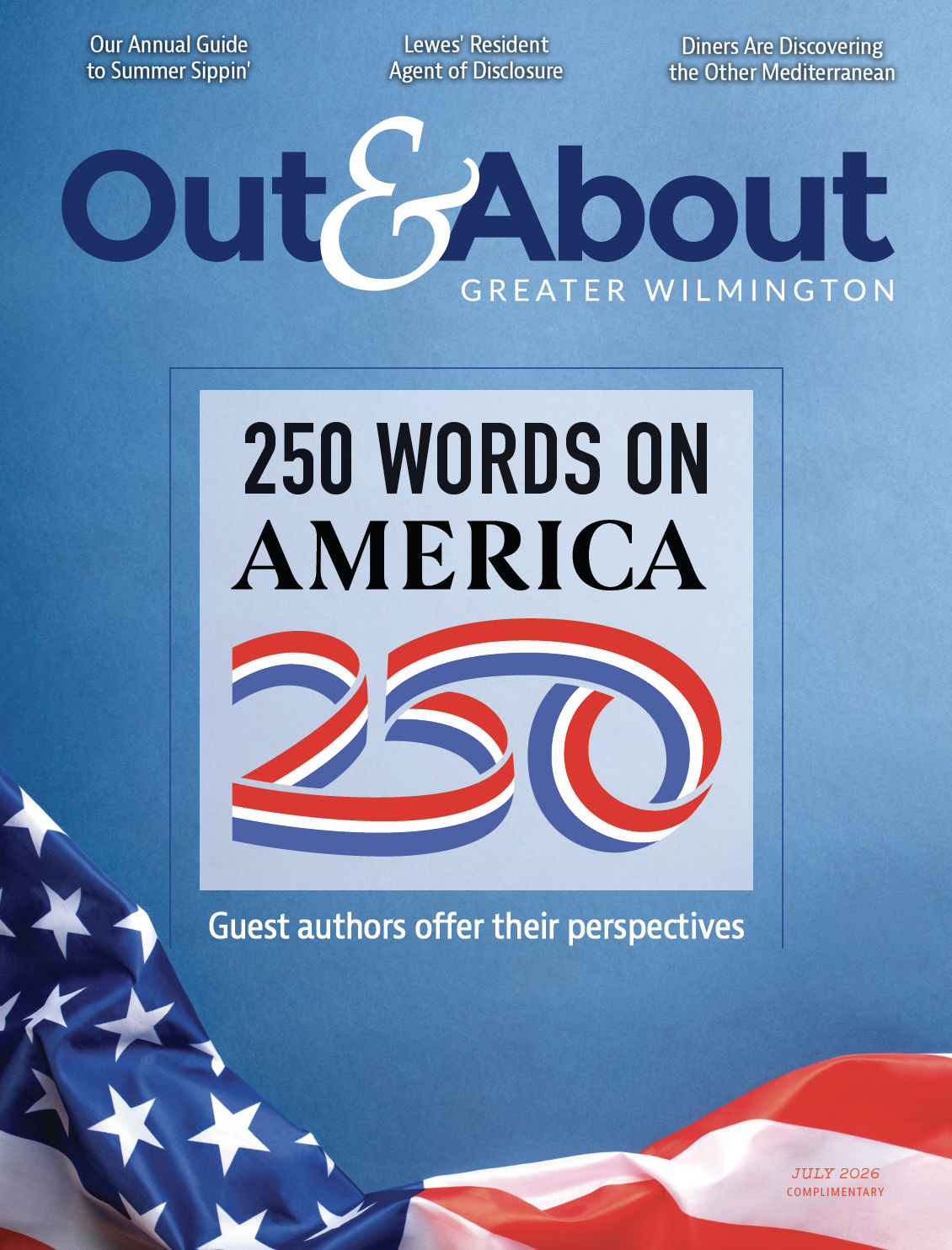
This cover blurb needs a couple of commas, including an Oxford.
Word of the Month
encomium
Pronounced en-kome-eum, it’s a noun meaning glowing and warmly enthusiastic praise.
 Buy The War on Words book at the Hockessin BookShelf, at Huxley & Hiro Booksellers, or on Amazon. Or email me at ryearick@comcast.net.
Need a Speaker for your Organization?
Contact me for a fun presentation on grammar: ryearick@comcast.net.